
Know What You’re Buying
When you pick up a movie or TV show on disc, it’s easy to assume you’re getting the same thing no matter which version you grab. That’s not always the case. The same title can have a brand-new scan or a decades-old transfer, a director’s cut or a theatrical edit, original music or a replacement soundtrack, a new English dub or the voices you grew up with. Then you have to deal with the counterfeits that look as convincing as the real thing.
Physical media is how you escape the endless rental model of streaming, but only if you end up with discs you want to watch. A little research before a purchase saves money, avoids disappointment, and gets you the version you were hoping for.
Now Is the Best Time to Start Collecting Blu-rays
Why Blu-rays have never been a better deal and why they're going the way of vinyl.
Research the Release First
Before you buy anything besides a thrift or flea market find, look it up on blu-ray.com. It’s the best resource for comparing releases. You can see every edition of a title, check the bitrate, read reviews, and confirm the specific disc or box set you’re looking at was a real release. The legitimacy of the release can matter too. More about that ahead with bootlegs and counterfeits.
Not Every Release is the Same Movie
Two discs with the same title can be quite different:
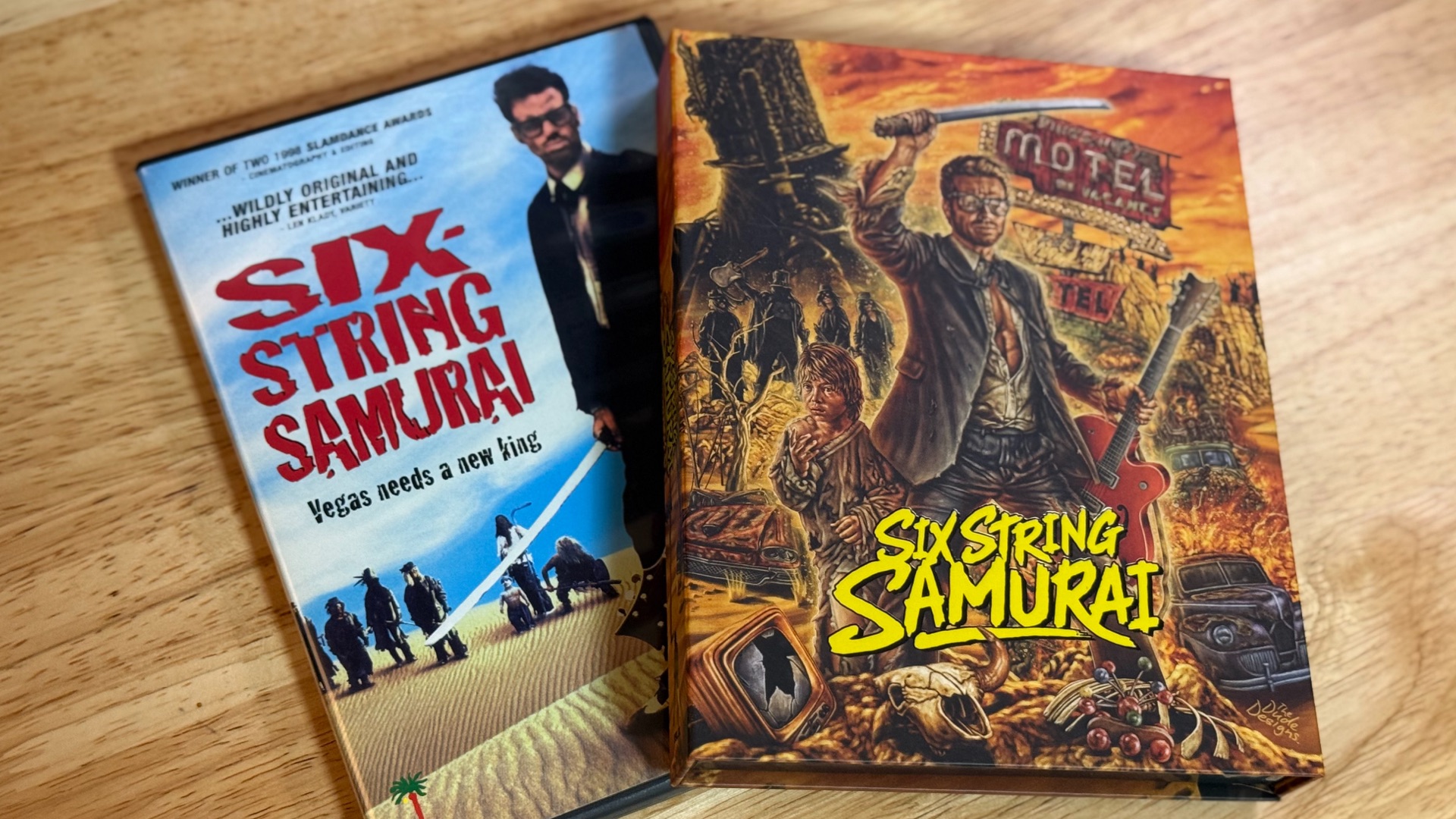
- New scan vs. old scan. Some releases use a brand-new transfer from the original film elements. Others recycle an older master that was fine in 2009 but looks soft today on huge 4k TVs.
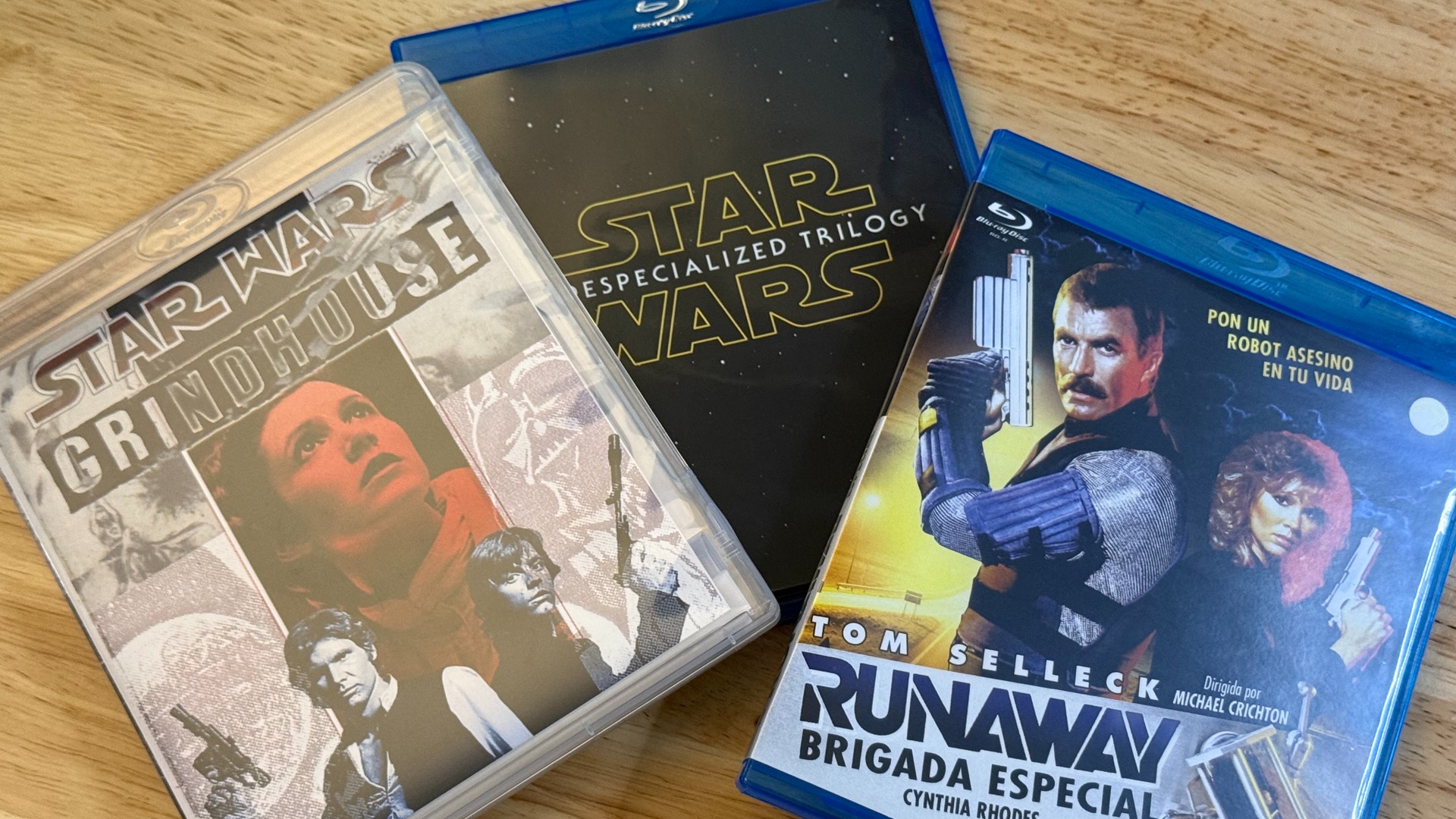
- Different cuts. Some releases are edited to have questionable content removed.1 Some releases attempt to revise the look of the film or re-do old computer graphics.2
- Missing music. Licensed songs sometimes get swapped out on later releases because the rights expired or got too expensive.3
- Different color grades. A new release might look dramatically warmer, cooler, or greener than the previous release.4
- New dubs. This one hits anime especially hard for me. If the DVD voice actors are the ones you remember, a new Blu-ray release with a new English dub might not be what you want. Check whether the old dub is included before you buy.
- New aspect ratios. A lot of TV shows were originally 4:3 and their Blu-ray versions would sometimes change the aspect ratio to widescreen either by cropping the existing picture or rescanning the original negatives to create a new crop. Sometimes this was better and sometimes it was worse.5
Read reviews and release comparisons before you buy. Know what you prefer, then make sure that’s the disc you go after.
Is the Upgrade Worth It?
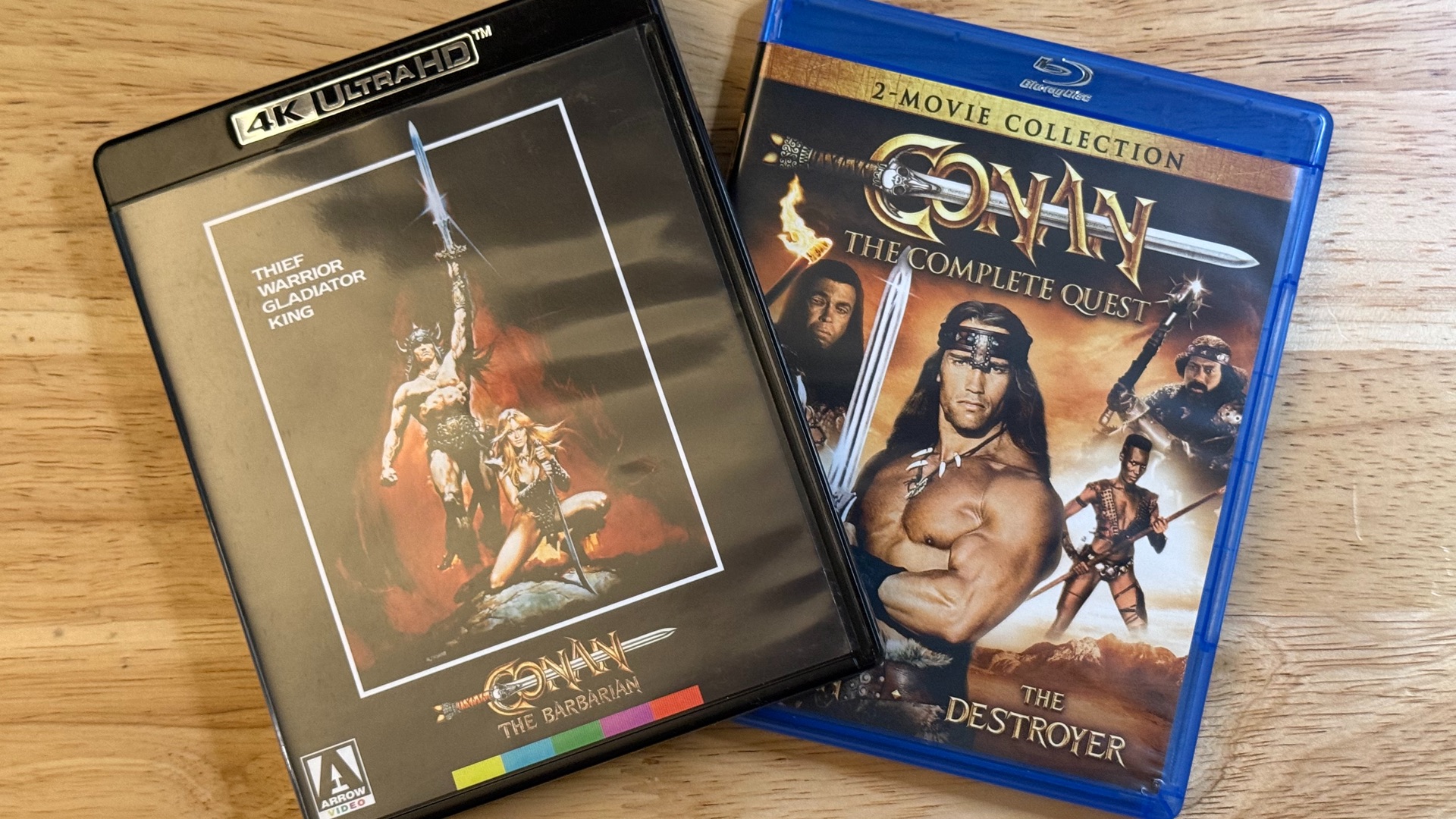
Not every 4K release is a big step up from the Blu-ray. Some are barely distinguishable, especially for films shot digitally at 2K or older films without much fine detail to resolve.
To even appreciate the jump to 4K and HDR, you’ll need new hardware: a 4K player, and a display that can take advantage of the resolution and HDR. If you don’t have that gear, you’re paying extra for nothing.
If you want to future-proof, look for 4K/Blu-ray combo packs. Watch the Blu-ray now and save the 4K disc for when you have the equipment.
Don’t Overlook DVD!
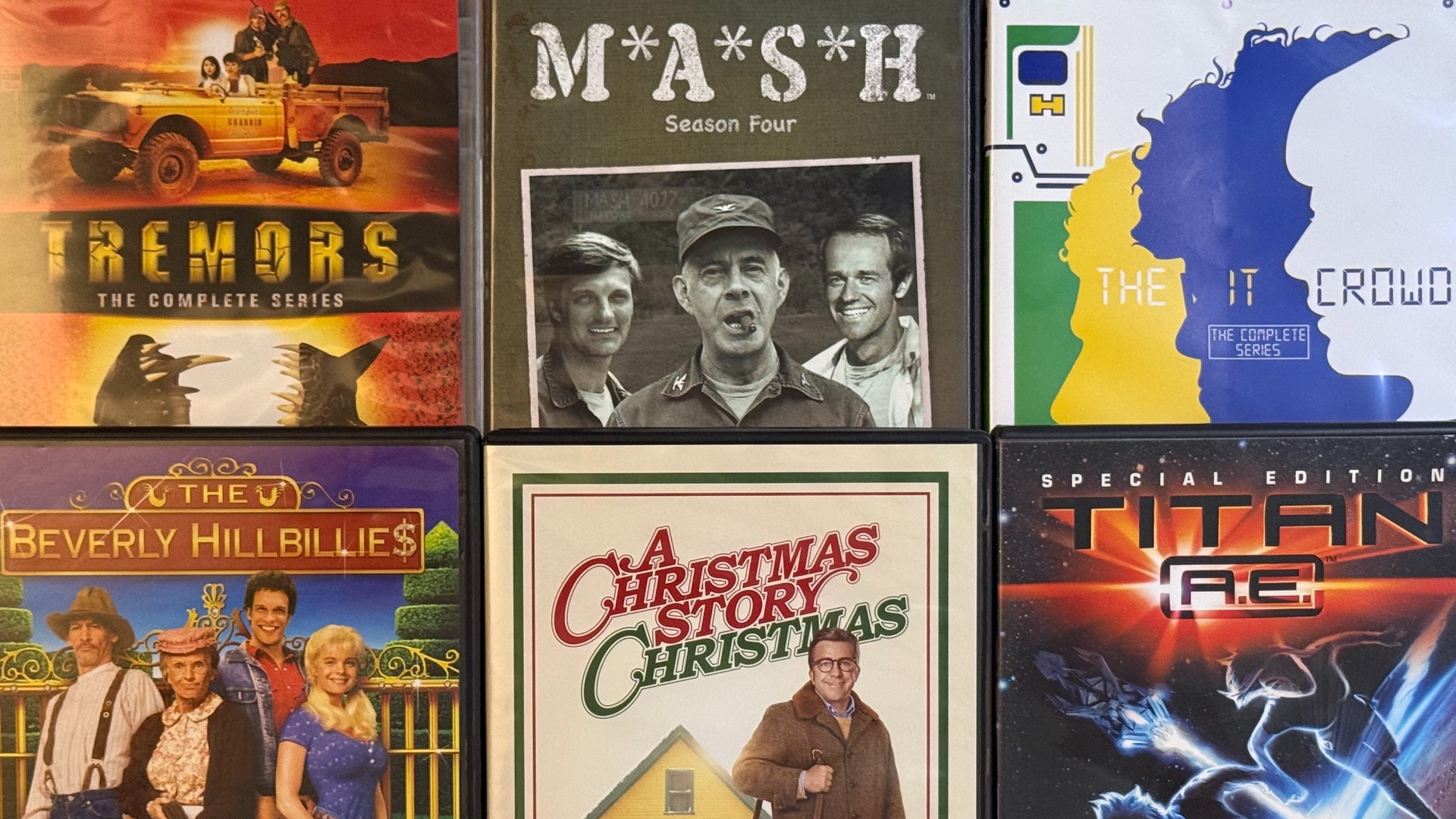
Some things were never released on Blu-ray, or are just too expensive.6 There’s a lot of TV shows that are only on DVD too.
DVDs can look great on modern TVs. If you’re buying movies on DVD, try to avoid discs that are only letterboxed widescreen. That means the black bars are baked into the picture, which requires zooming in on a modern TV resulting in a blurry mess. Look for anamorphic widescreen, or simply widescreen, which are formatted to fill an HD screen.
Blu-ray Players and DVDs
It takes a lot of work getting DVD video on an HDTV.
Beat the FOMO
Limited-edition boutique releases are designed to make you feel like you’re about to miss out. Sometimes they’re worth the cost. A lot of the time, they aren’t. Save these for your absolute favorites.
It’s far easier to spend $10 on a decent older release than $50 or more on a boutique one. Before you decide, look the title up. The cheap, older release might already be exactly what you want.
A few other things to know about how releases are priced and packaged:
- Boutique labels often start with a limited edition, and then reprint the title as a basic edition for less. If you can wait, you can save, but sometimes they don’t. Check the release schedule to make sure.
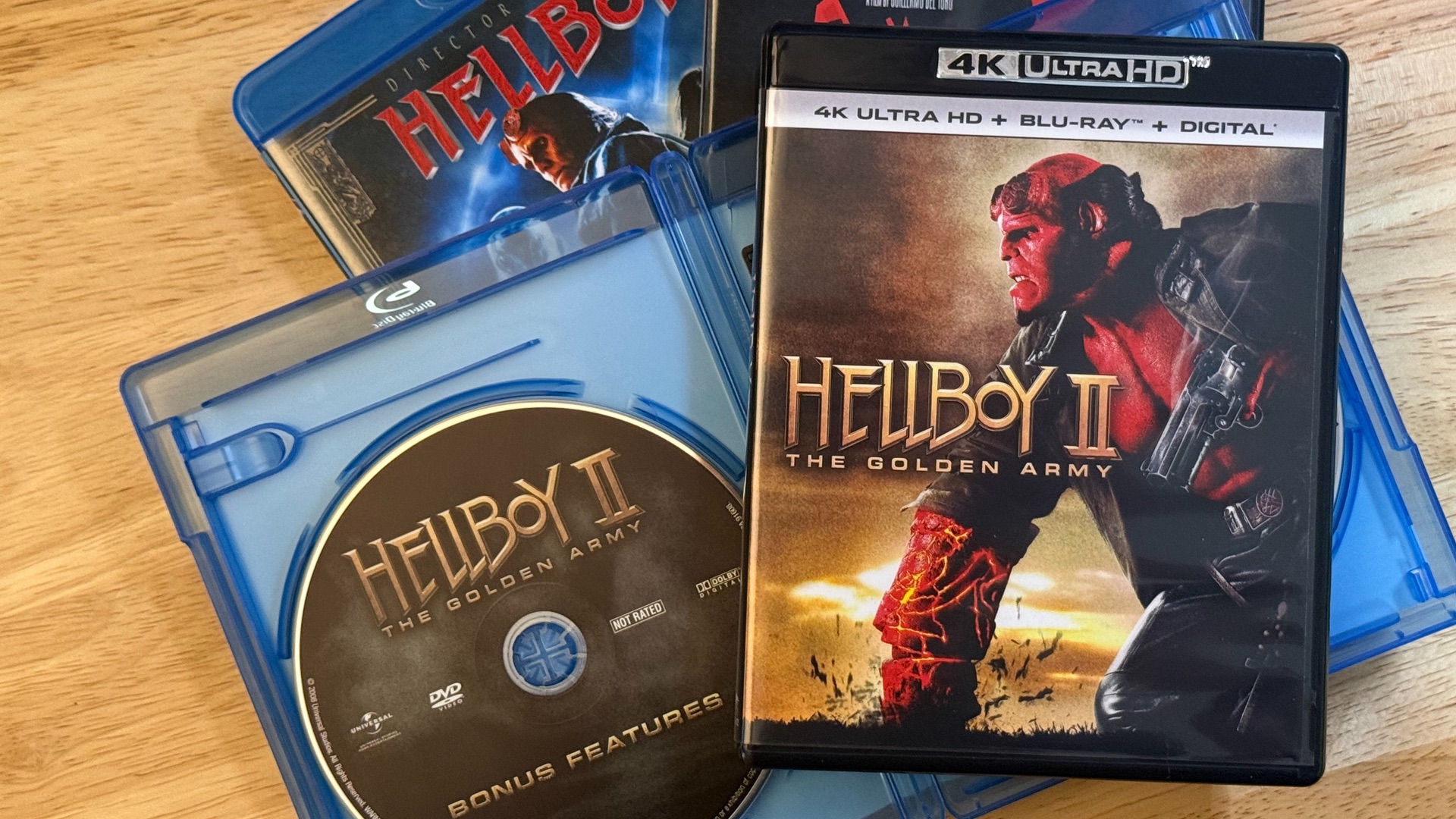
- First runs of movies and TV shows sometimes get a steelbook or a slipcover. Later runs usually don’t.
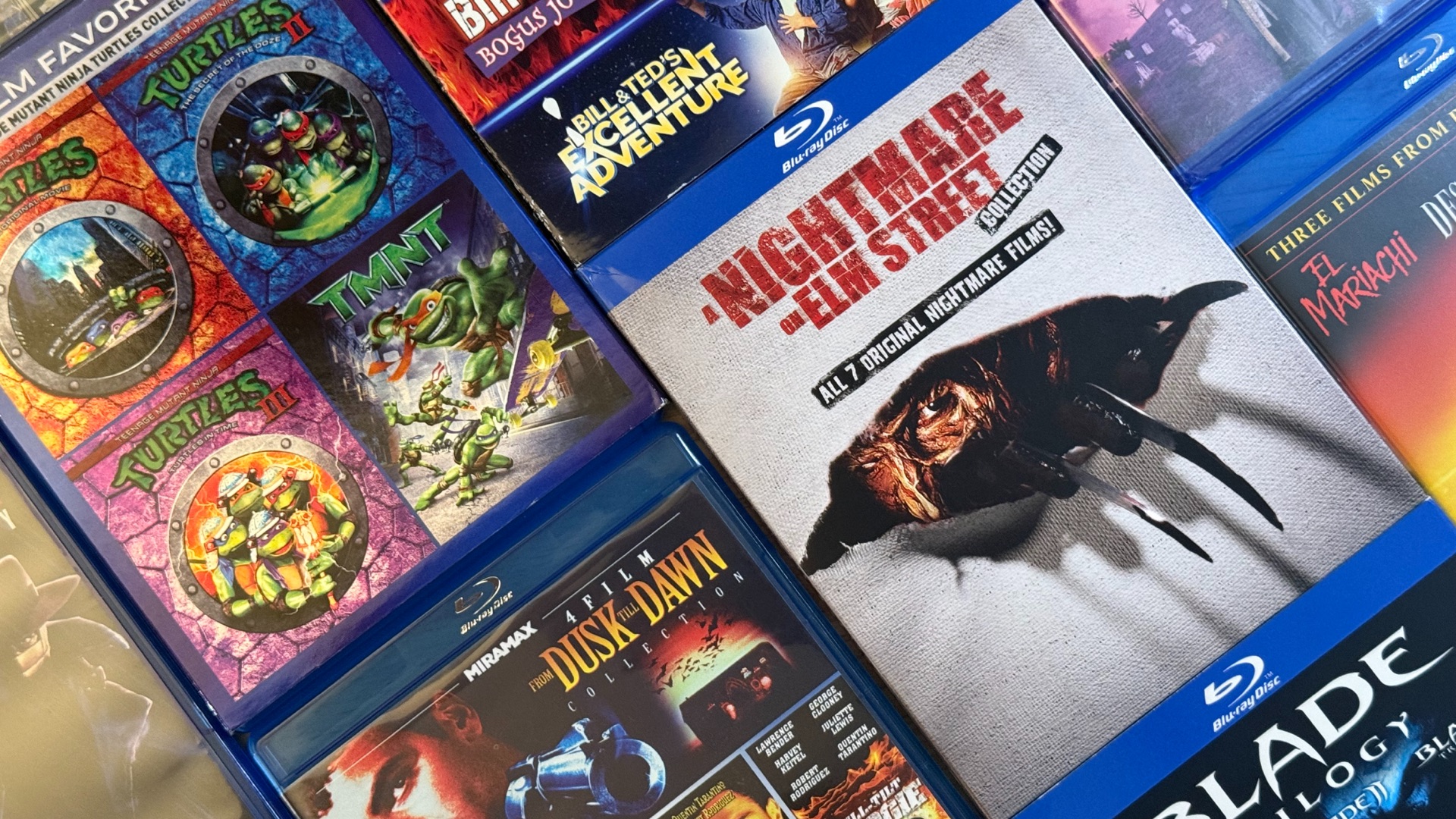
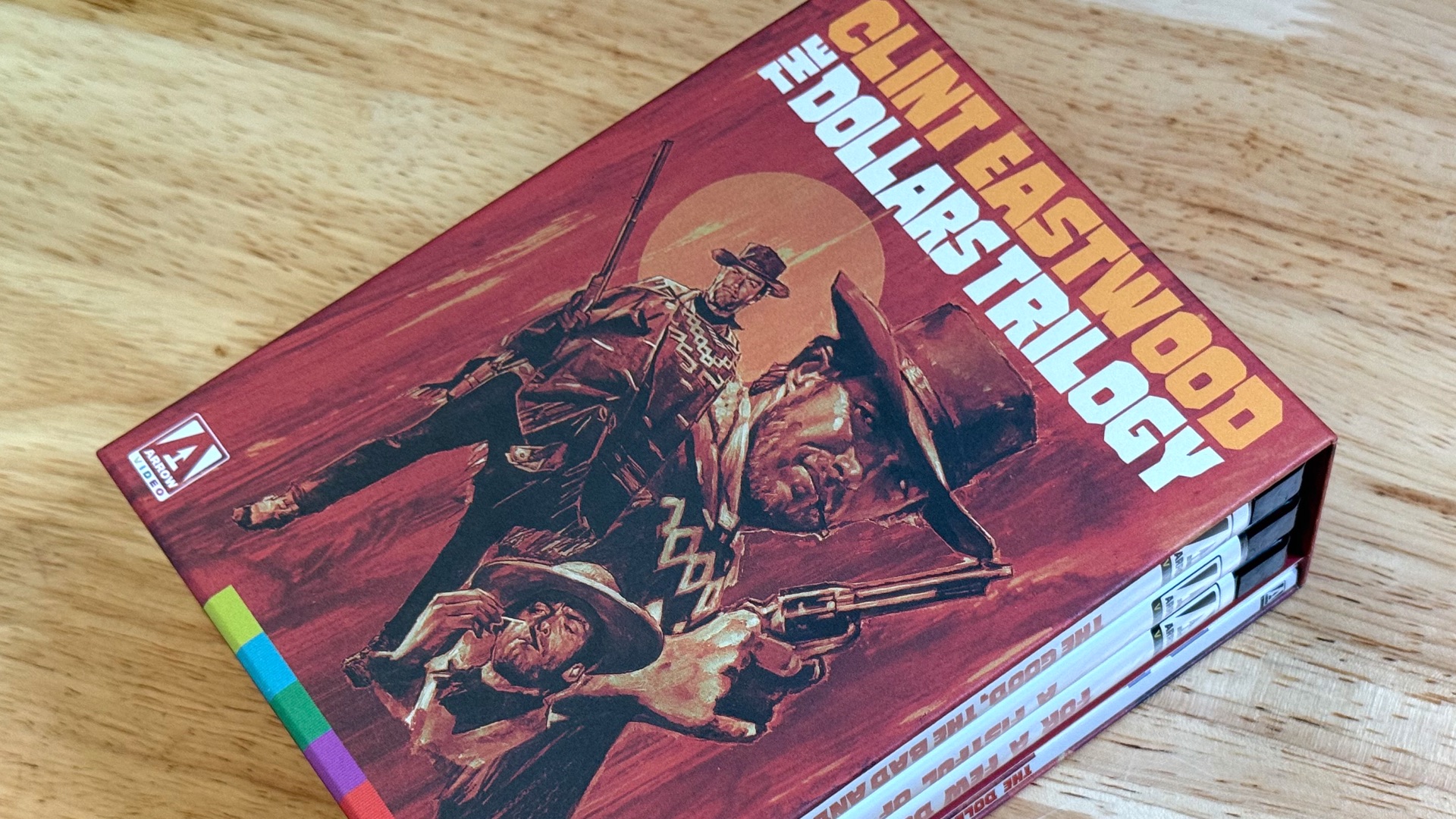
- Collected sets can save money. Some franchises, directors, and themed sets come in multi-disc packages. If you want most of the films in a series anyway, the collection often costs less than buying them one at a time. It also saves on shelf space!
- Keep your old copies. Older DVDs and Blu-rays sometimes have special features or commentary tracks that the newer release dropped. Double check this before you trade them in.
- Try your digital codes. Many still work, even on used copies. Redeem them before you toss the paper.
Where to Find Them
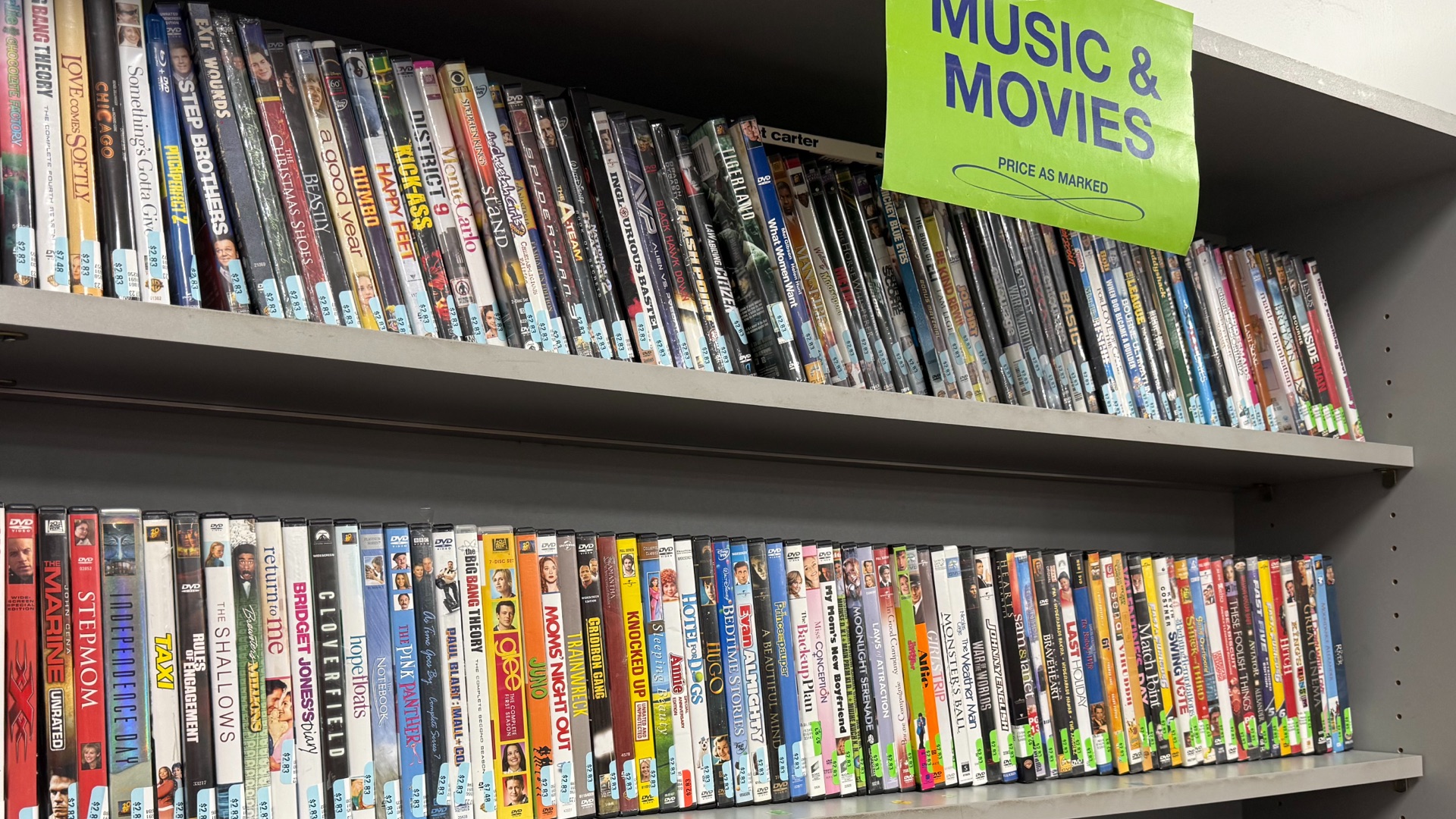
Try used first. Thrift stores, flea markets, and secondhand shops can have great options and you get to see the disc and the case in person.
Make a list of what you’re looking for with its average price. You don’t want to wander the aisles buying things you don’t need or already have a copy of. With a list, you can also recognize a deal when you see one.
When you shop online, buy from reputable sellers, and stick to used listings that show photos of the actual discs. The bootleg section explains why that’s important.
Shipping matters too. Big-box stores often skimp on packaging, and discs and boxes arrive smashed. Smaller retailers and independent shops tend to pack things better, which is especially important for steelbooks and multi-disc sets.
The Bootleg Problem
Counterfeits are a problem with physical media, and they’re everywhere. Big online retailers aren’t immune. Anime and TV box sets are especially targeted.
How it usually works: Counterfeiters rip official discs, re-encode them onto cheaper single-layer discs to cut costs, and print convincing but fake packaging. Everything looks right at a glance, but the quality isn’t the same. Some are better than others and often it’s tough to tell the difference.
Some Ways to Spot a Fake
Here’s the process I follow. There usually isn’t one surefire way to tell. It’s a combination of several.
1. Check the seller.
- Brand-new, cheap box sets from marketplace sellers are suspect.
- An out of print thing that’s “brand new” with lots in stock is a red flag. Counterfeiters ship from one big stock.
- Pricing that’s too good to be true, like a complete series that normally runs $80 or more listed new for $20.
- Stock photos only. Stick to listings that show the actual discs.
- Seller history: a new account, or one that sells unrelated bulk items (phone cases one week, anime box sets the next), should be scrutinized.
- Read their reviews and look for mentions of fakes.
- Shipping origin: a listing that claims to be US-based but ships from overseas.
2. Verify the edition. Look up the set on blu-ray.com. Does that exact disc count and configuration exist? Counterfeiters often invent “complete collections” that were never officially released.
3. Is it marked as “region-free?” Some international releases are all-region compatible, but bootlegs will rarely be region locked.
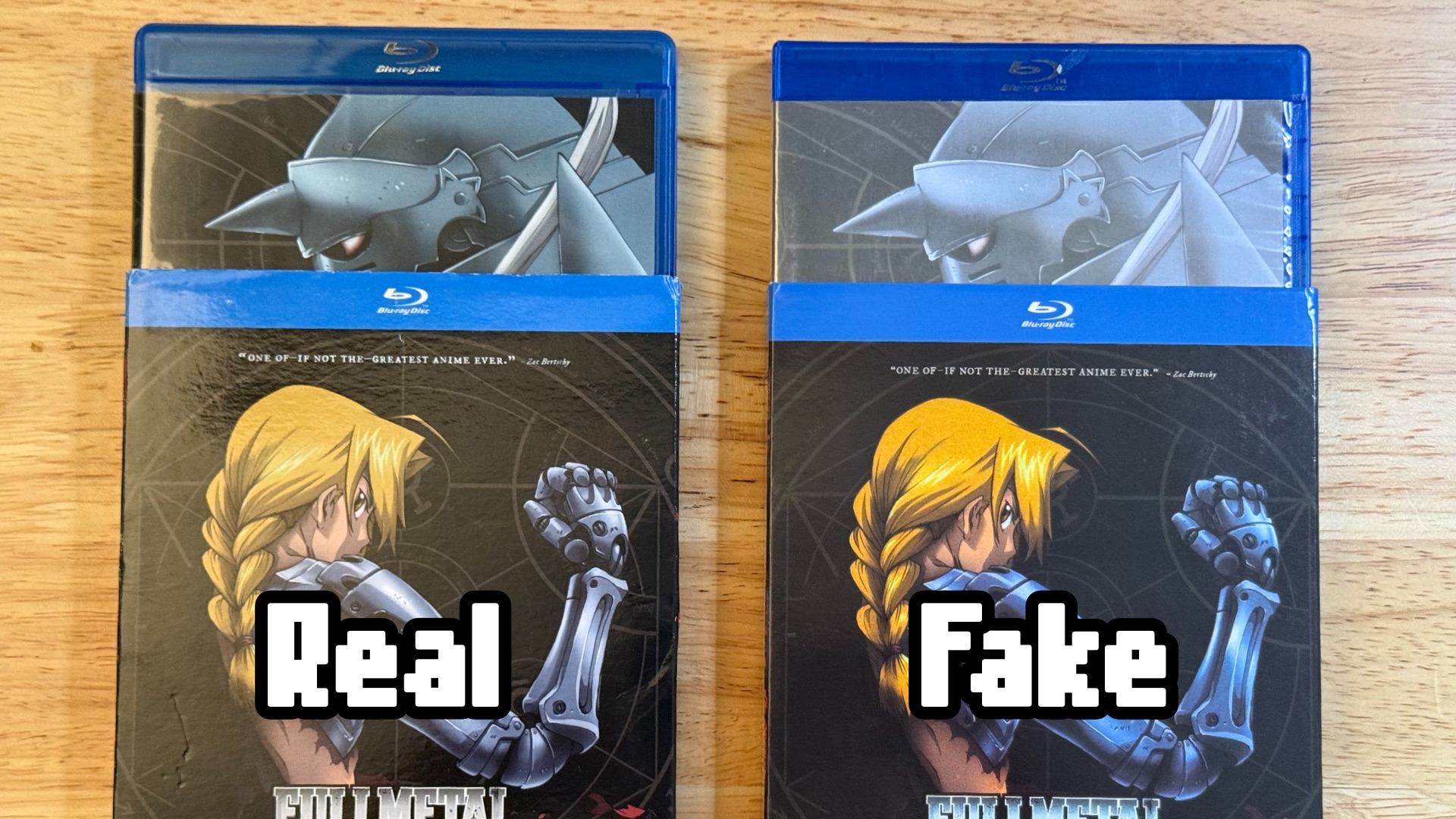
4. Shrink wrap over the slip cover. Most slip covers go on top of a shrink wrapped case.
5. Look at the packaging. Check print quality, spine text, and legal text, and look for missing logos, odd fonts, misspellings, or just poor print quality.
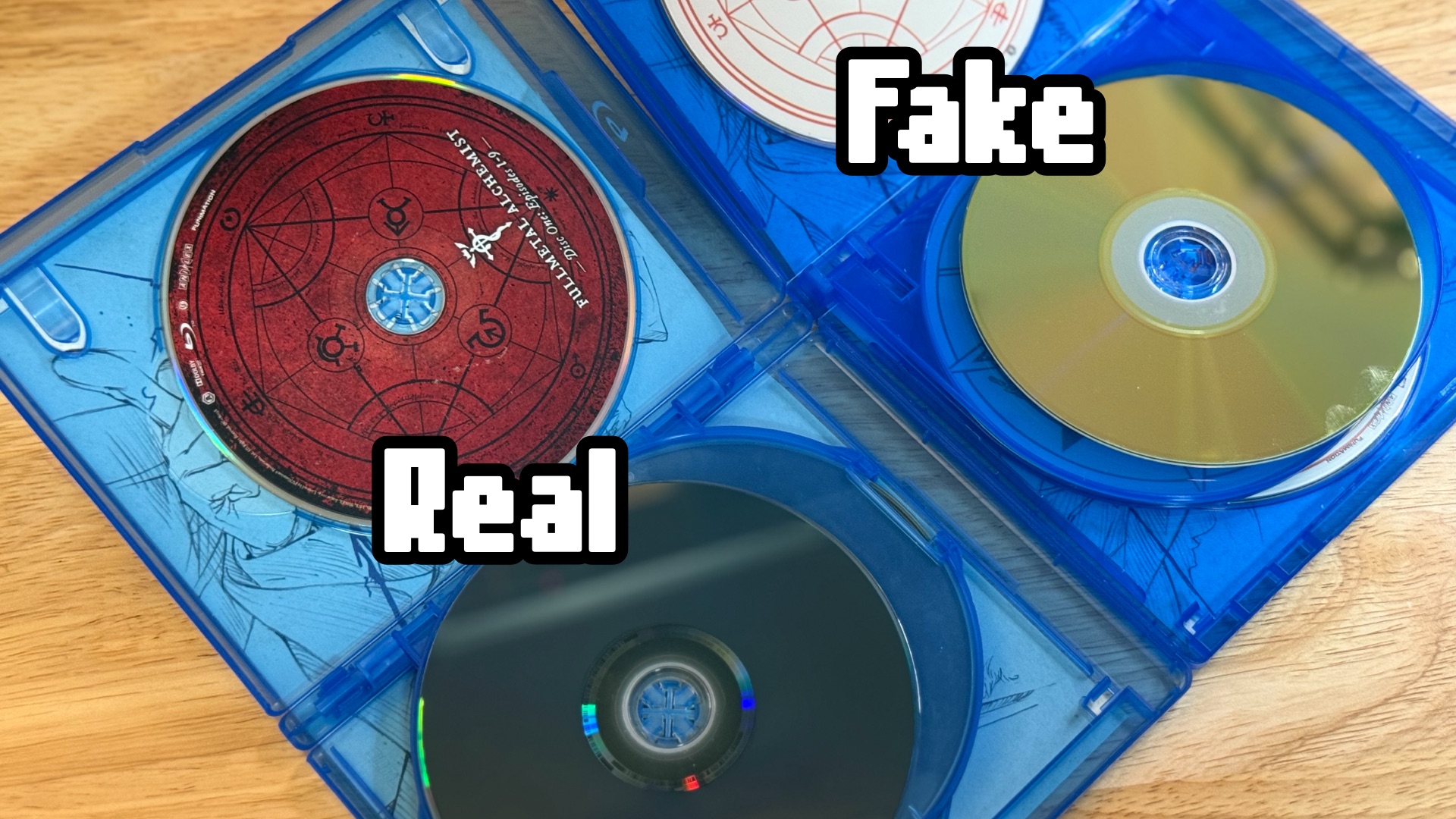
6. Inspect the disc color. Pressed discs have a shiny, mirrored surface. Burned discs often look darker, with a visible ring or dye color on the underside. This isn’t foolproof. There can be pressed bootlegs.
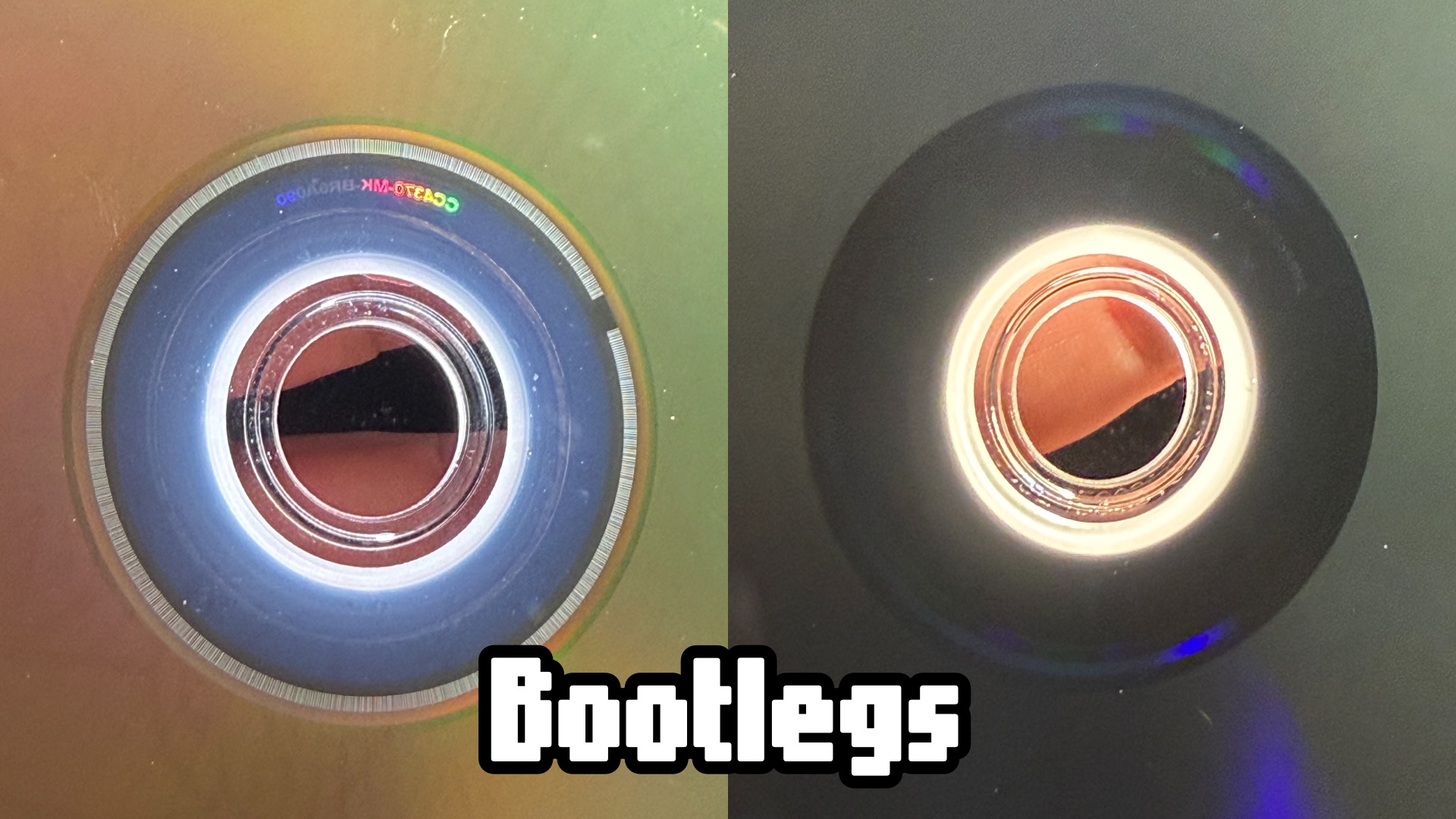
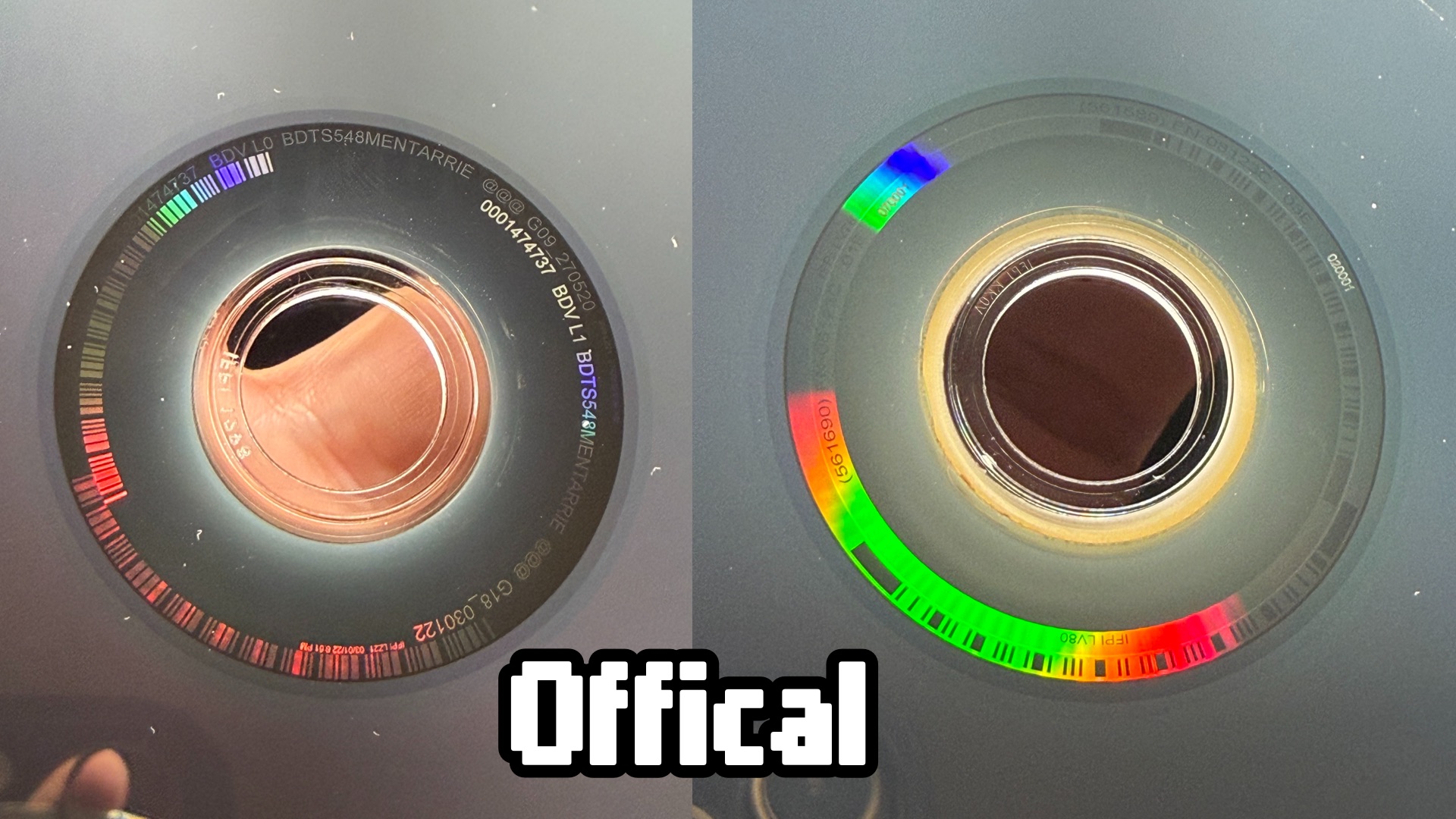
7. Look at the inner ring. Get out your magnifying glass (or cell phone camera). On an authentic pressed Blu-ray disc, you will typically see these identifiers:
- The Matrix/Runout Code. This is a long, highly legible alphanumeric string that often contains the movie’s catalog number, the manufacturer’s name or logo, and pressing batch numbers.
- Mastering SID Code. This code always begins with the letters “IFPI” followed by an “L” and three digits (e.g., IFPI LT49). It identifies the laser equipment used to burn the glass master.
- Mould SID Code. This is a tiny code that also begins with “IFPI” followed by four digits (e.g., IFPI 44E5). It identifies the specific physical press machine that stamped the plastic.
- Inner Barcodes. Each data layer on the disc will have a linear barcode in the inner ring.
Print-on-Demand Discs
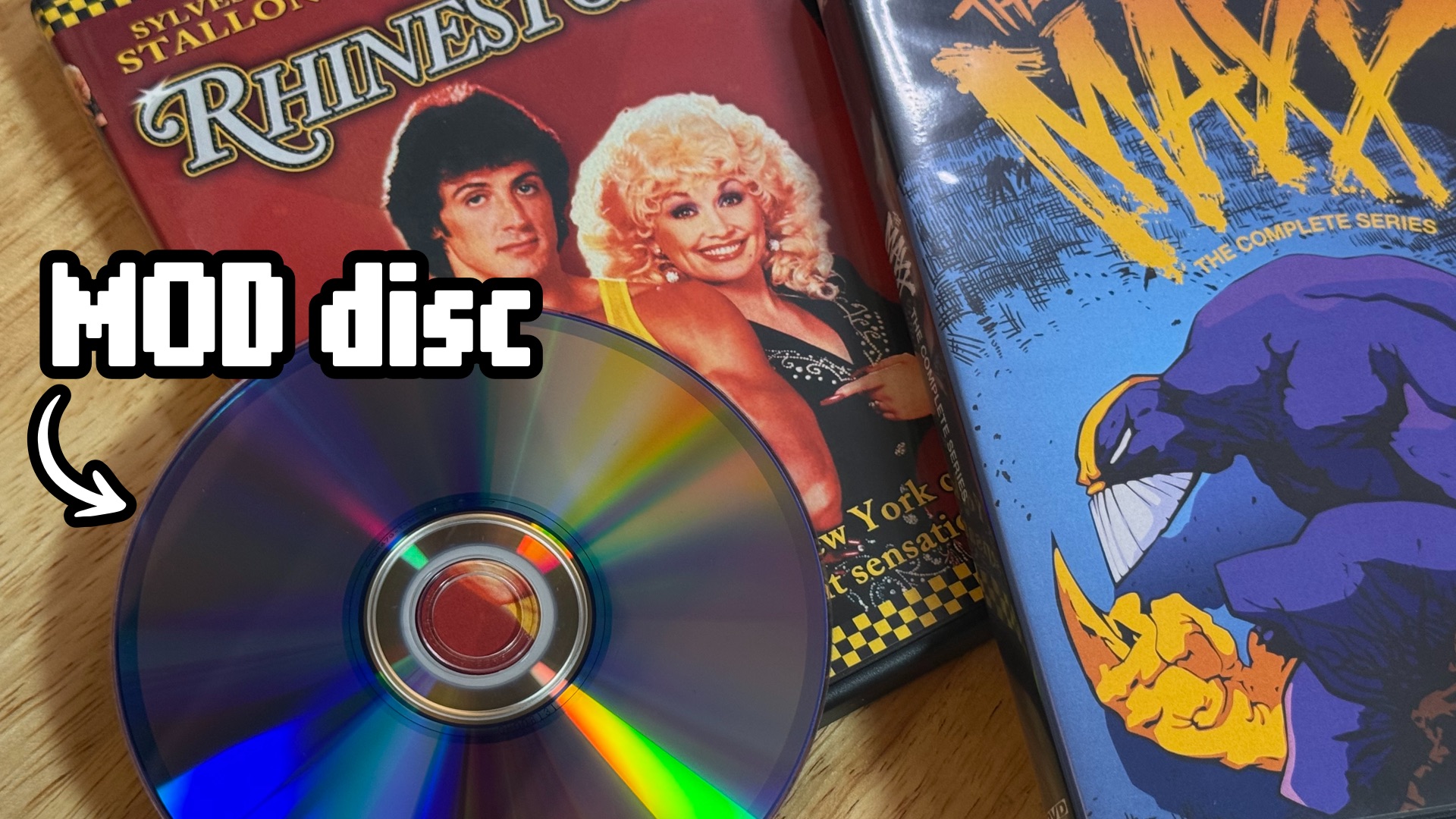
There’s one more category: official print-on-demand (also called manufactured-on-demand or MOD) discs. These are legal and licensed, which makes them different from bootlegs, but they’re burned discs. That means you can’t really sell them later, and they don’t have the longevity or resale value of a pressed disc. Reputable sellers will disclose this in the item description.
My Take on Bootlegs
I don’t have some moral high ground against bootlegs. If there’s no other way to watch a show or a film besides an extremely expensive physical copy, or it just doesn’t exist, a bootleg is a reasonable last resort. Not trying to scare you away from every unusual disc. I want to make sure that when you buy a disc, you understand what you are getting, and aren’t getting scammed.
Disc Condition
When buying used, be sure to check the condition. Light scratches aren’t a deal breaker, but deep scratches that you can feel are a no-go.
DVDs scratch easily, but light scratches can often be resurfaced. Blu-rays have a harder coating and resist scratches better, and they can be resurfaced too.
4K discs are the exception for me. They can be troublesome brand new, so I only buy them if they’re in pristine condition.
Avoid using toothpaste or those Disc Dr. crank things to fix scratches. They don’t work and will make things worse.
Also, if a fancy DVD set comes in a cardboard pocket style case, I’d put the discs in something else. Repeatedly inserting and removing DVDs in those cardboard slots will certainly scratch them.
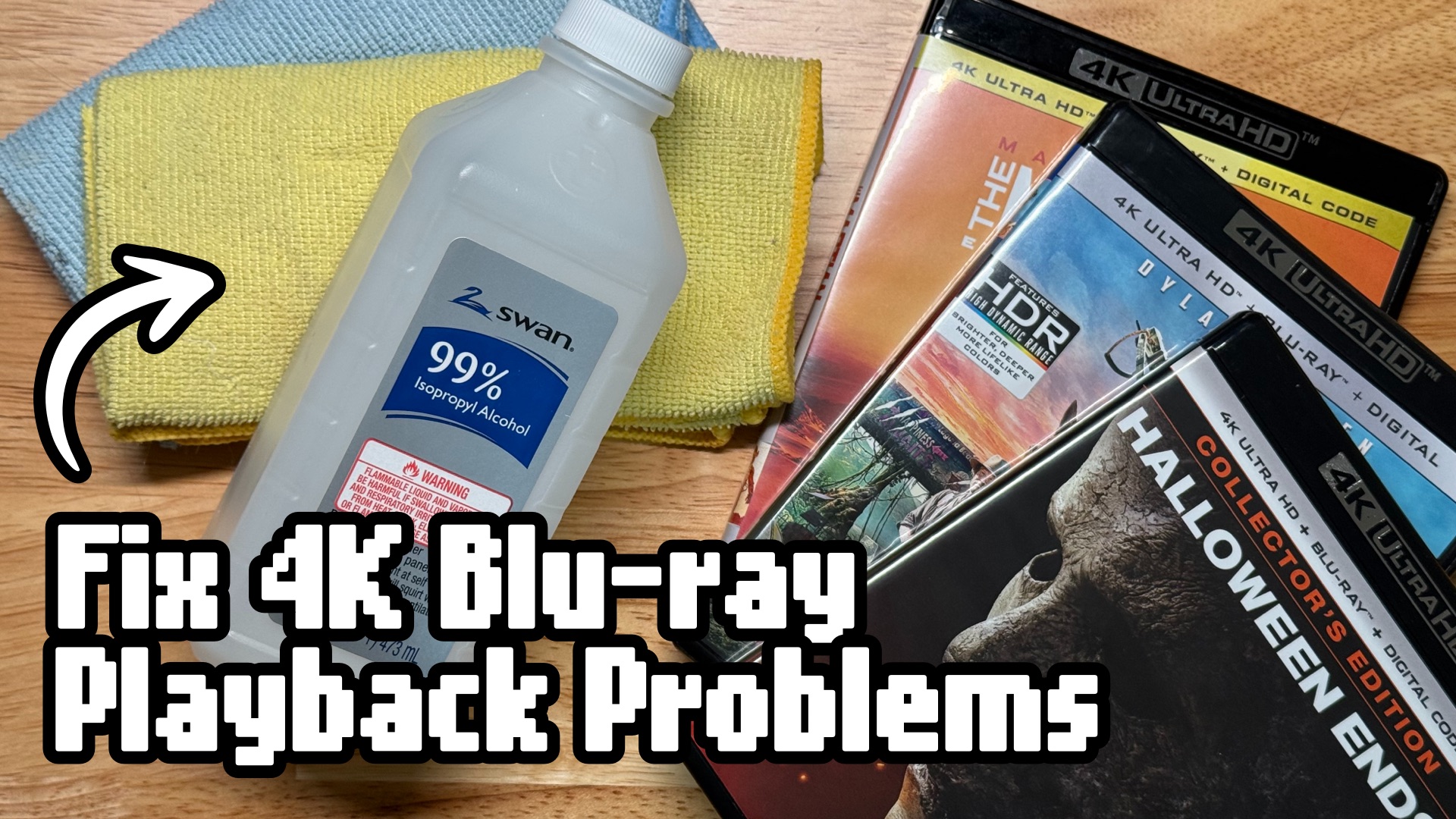
How to Fix 4K Blu-ray Playback Problems
Troubleshoot freezing, glitching, and pixelating 4K UHD Blu-ray discs with this step-by-step guide.
Region Locking
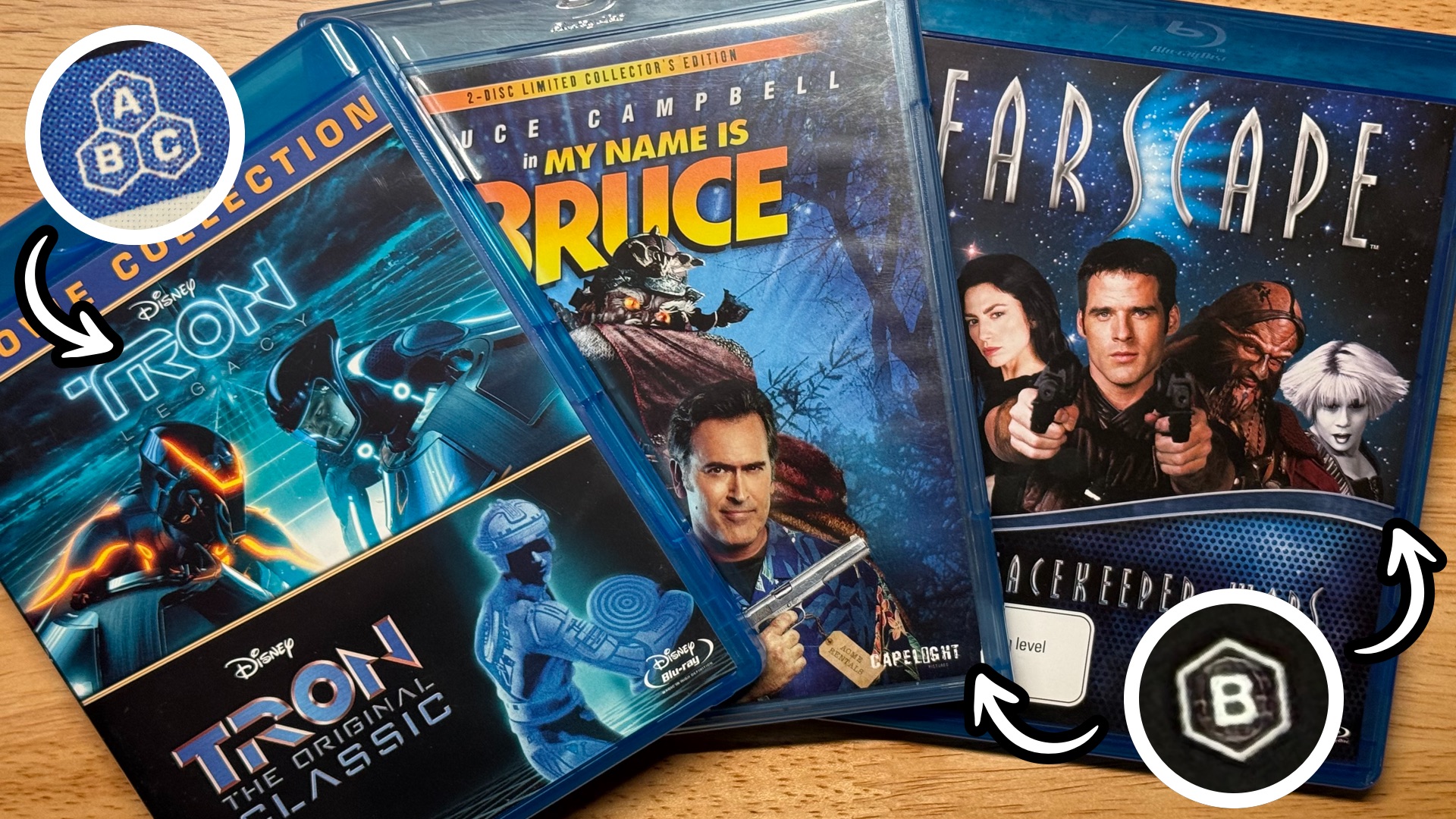
Regions aren’t something you usually have to pay attention to, but you may find movies from other regions when shopping online. Blu-rays are region-locked into A, B, and C zones, and DVDs have their own region codes too. (The United States is in Region A and 1, respectively.)
4K Blu-rays generally aren’t region-locked, so importing a 4K Blu-ray is usually fine. Just know that any Blu-ray included with a 4K release may still be locked to its region of origin, which means its bonus content may not play on your player.
Some regions have less expensive versions of TV shows of films. Sometimes other region discs aren’t actually region locked. Just make sure this is true before buying. If you’re serious about imports, or like to save some money, you can get a modified or multi-region player that switches regions.
Buy It Once, Keep It for Good
Buying physical media takes a little more effort than a streaming subscription. A few minutes of research gets you the right cut, the right dub, and a disc that isn’t a counterfeit. After that, it’s yours. No license can expire, no studio can quietly drop and episode or swap the soundtrack, and no server shutdown can take it away.
Before you buy, look up the release on blu-ray.com. Check the seller, and check the disc when it arrives. Start with used copies, keep your old editions when you upgrade, and save the expensive boutique sets for the movies you love most.
You’ll still get burned once in a while. I have with missing discs in sets and Yellowstone showing up in my pricy Fullmetal Alchemist set. Use my mistakes as a reason to look closer. The cost of a fake is small compared to what you get from a curated collection you picked yourself.
Streaming services can drop your favorite TV shows and movies anytime. Digital services can claw digital purchases away any whenever. A disc on your shelf doesn’t have that problem, just take a moment to pick the one right for you and your budget.
Start the conversation